95. Remnant Recovered
Bu çözümün Türkçesi de var: sağ üstten dili TR yapın.
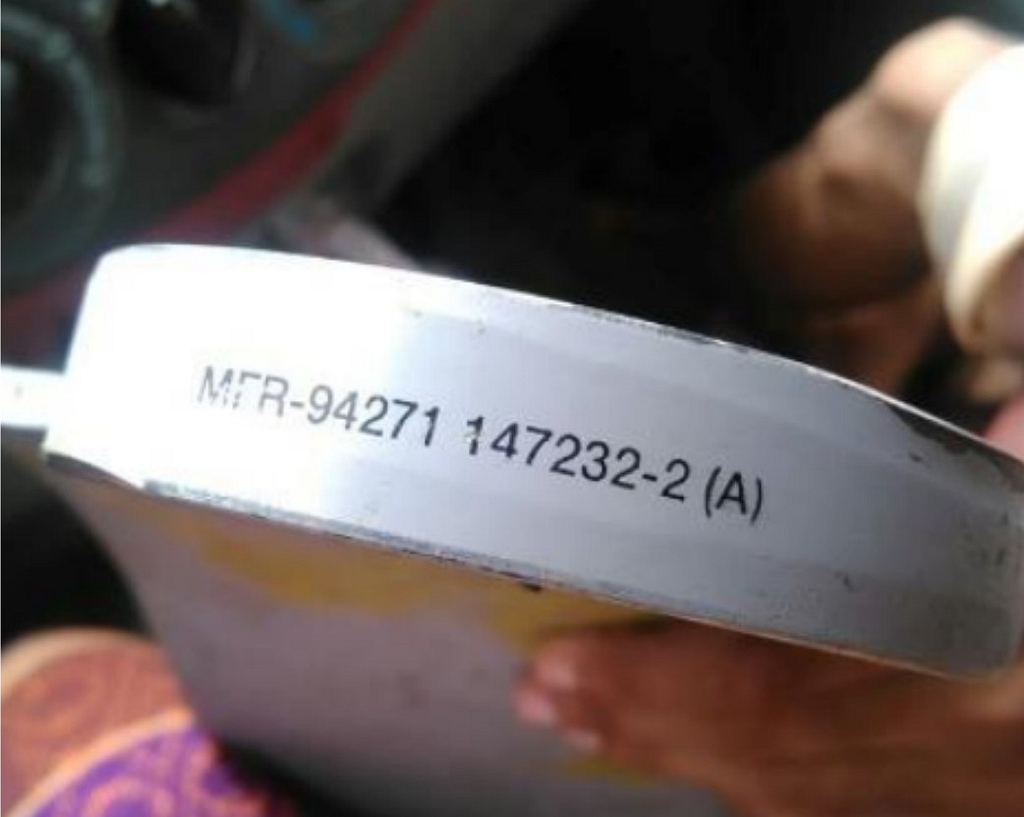
Physical remnants recovered from conflict zones provide data as concrete and objective as digital footprints. In this article, we examine step-by-step how a set of serial numbers stamped onto a single metal component leads directly to the manufacturer, the exact munition model, and the underlying United Nations case file.
LinkedIn:https://www.linkedin.com/in/alp-akci%C4%9Fer-738467162/
CTF:https://challenge.bellingcat.com/challenge/95
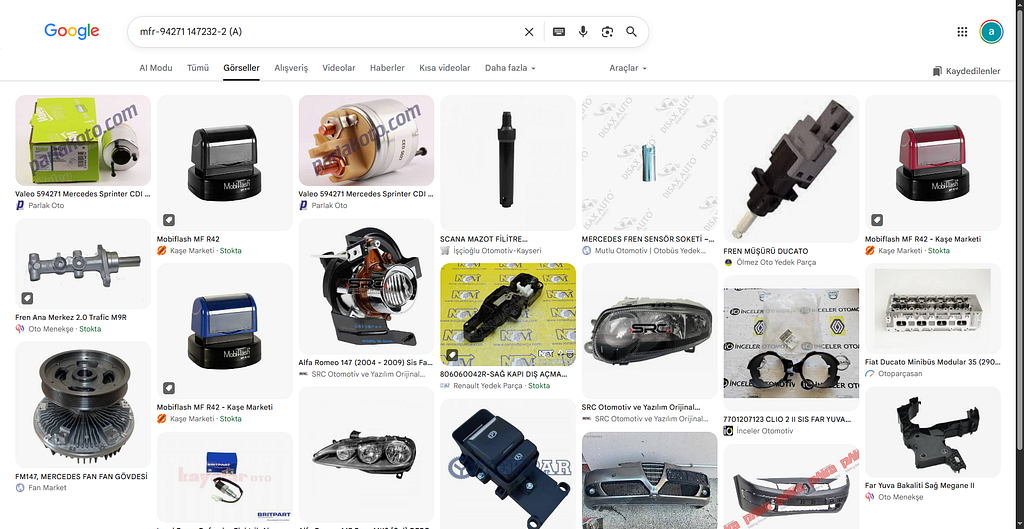
1. Initial Assessment: Text Analysis and Code Breakdown
When encountering an unidentified component, the first step is isolating readable text strings. A preliminary search for the whole string without domain context often yields irrelevant commercial auto parts or consumer hardware results:
Deconstructing the markings from Figure 1 yields three core data points:
MFR-94271 147232-2 (A)
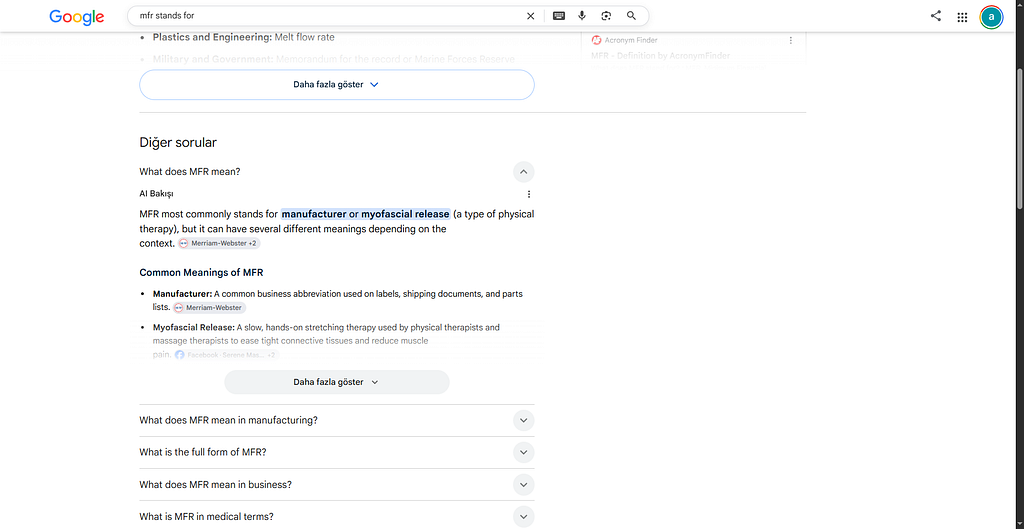
- MFR (Manufacturer): Standard business abbreviation for manufacturer.
- 94271: A 5-digit CAGE / NCAGE (Commercial and Government Entity) code.
- 147232–2 (A): The specific manufacturer part number with casting index (A)
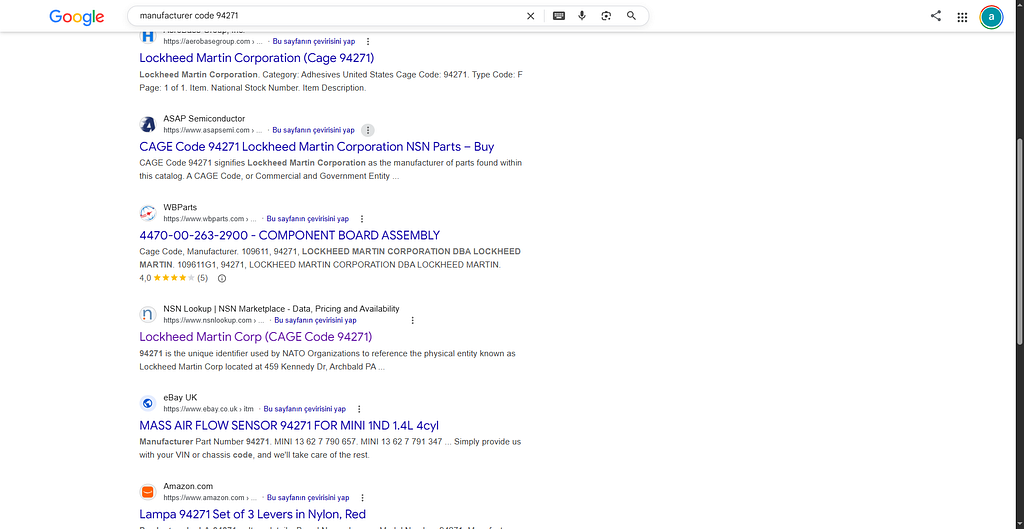
2. Database Queries (CAGE & NSN Lookup)
By isolating the CAGE code 94271, military supply chain databases immediately identify the registered entity behind the number:
- Company: Lockheed Martin Corp. (CAGE Code 94271)
- Industry Class: Defense & Aerospace
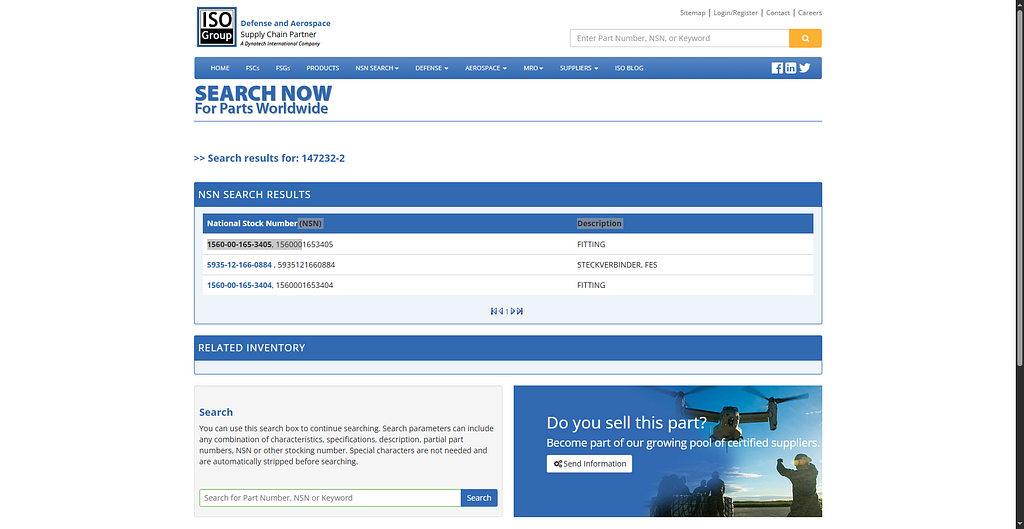
Next, querying the part number 147232-2 in defense inventory logistics engines links the component to National Stock Number NSN 1560-00-165-3405:
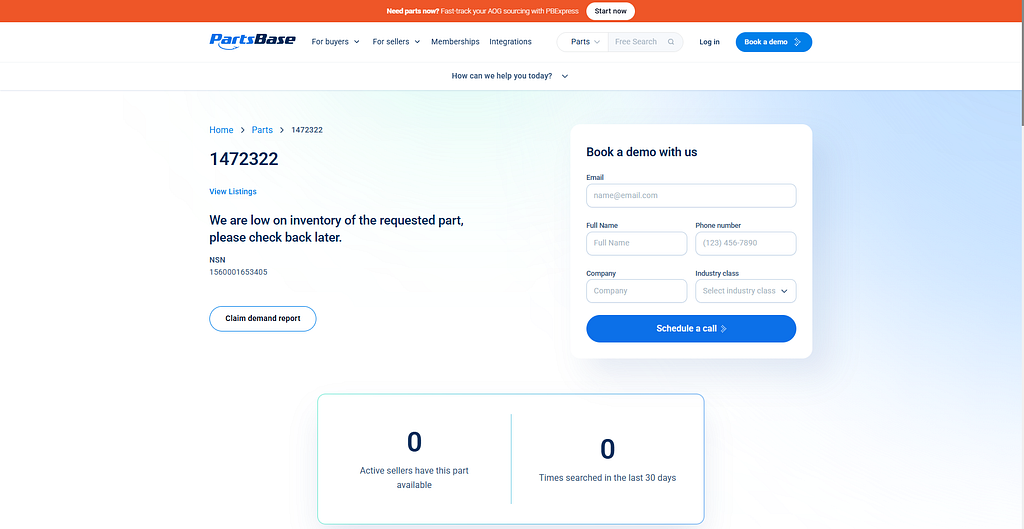
Cross-checking inventory inventory systems confirms the item details and reveals that the stock number was officially cancelled in 2005:
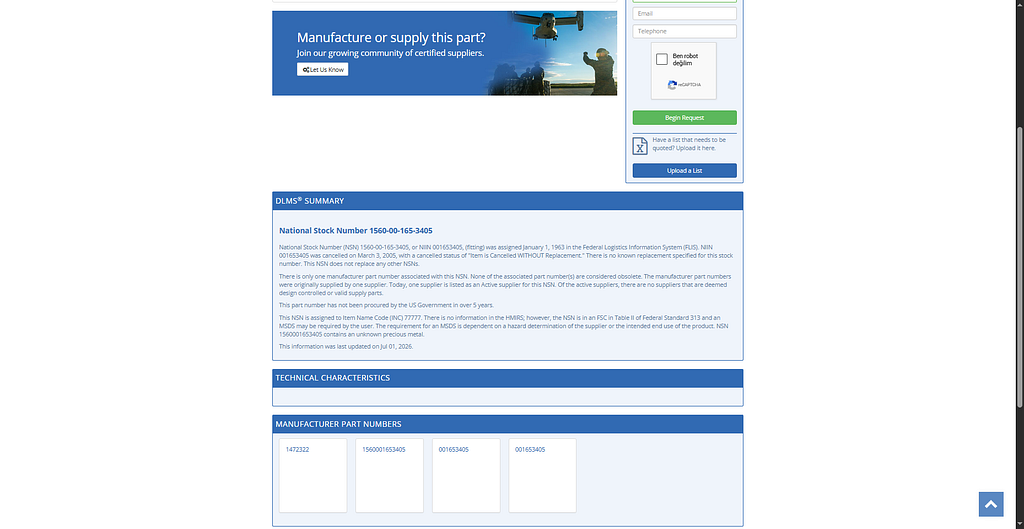
- FSC 1560: Airframe Structural Components
- Item Name: FITTING
Field Research and Conflict Analysis (Yemen Case Study)
While supply chain databases classify the component as an airframe structural fitting, identifying the exact weapon system requires cross-referencing conflict documentation.
Tracing this specific image leads directly to official documentation published by the United Nations Security Council (UNSC) Panel of Experts on Yemen:
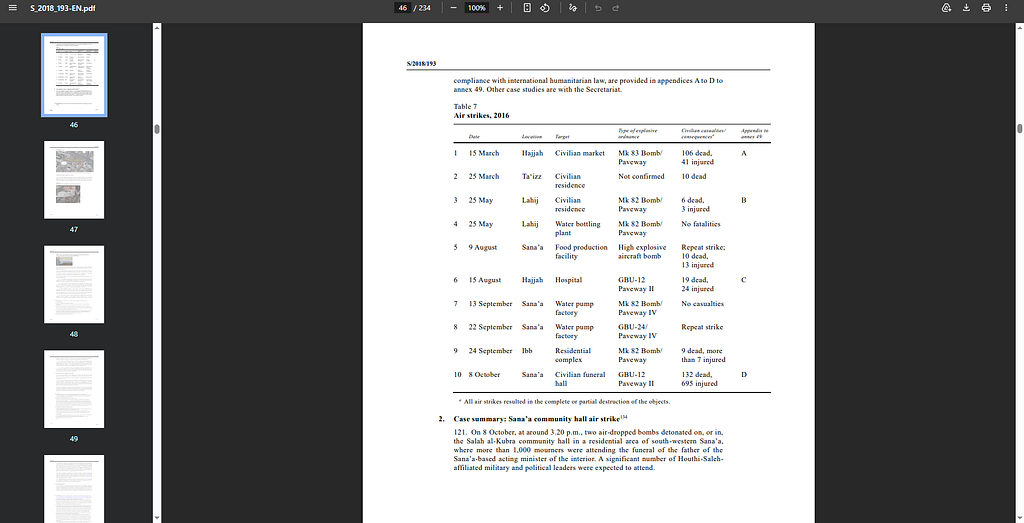
- UN Document: Final report of the Panel of Experts on Yemen (S/2018/193)
- Context: Investigation into air strikes documenting recovered fragments from GBU-12 Paveway II laser-guided bombs (specifically guidance/fin structural fittings attached to Mk-82 warheads).
4. Methodological Workflow & Key Takeaways
This investigation demonstrates a core OSINT workflow for physical remnant identification:
- OCR & Text Extraction: Isolate discrete identifiers (MFR-94271 and 147232-2).
- CAGE/NSN Verification: Identify defense contractor (Lockheed Martin) and structural classification (Airframe Structural Component).
- Field Documentation Cross-Referencing: Match part numbers against conflict evidence databases and UN reports (S/2018/193) to confirm the weapon system (GBU-12).
References & Further Reading
- UN Security Council (2018): Final report of the Panel of Experts on Yemen (S/2018/193).
- Defense Logistics Agency (DLA): CAGE Code 94271 Registry.
- Bellingcat: Munition Remnant Identification Guides.
Originally published on Medium